

By Ethan Patel
Dallas–Fort Worth’s economic landscape is showing a mix of opportunity and challenge for small businesses and job-seekers alike. Below are trends shaping the region’s business and economy right now, and insights on adapting strategically.
Steady Job Growth With Sectoral Gaps
The Dallas–Fort Worth metro area has seen reliable employment gains—year-over-year job growth stands around 1.0%, adding over 40,000 positions. Meanwhile, Dallas County’s unemployment rate remains just above the national average, reflecting a market where many want to work, but certain roles remain unfilled.
Sectors contributing strongly include professional and business services, construction, trade, transportation, and hospitality. At the same time, education, health services, and government roles lag or are even showing declines in employment. Local companies say open roles for skilled labor—e.g., electricians, concrete workers and technicians—are increasingly hard to fill, partly because of workforce supply constraints such as immigration policy and competition from booming industries like data centers.
Wage Pressures and Rising Costs
Labor shortages are pushing wages higher across many industries. Manufacturing roles have seen some of the most dramatic increases, but service sector and hospitality employers report rising wage demands too. In some cases, companies are reposting roles recently filled to compete with offers from firms with deeper pockets, particularly in sectors tied to construction and infrastructure.
At the same time, costs for inputs—raw materials, transportation, fuel—are rising. Inflation is cited as a growing concern by businesses region-wide, especially those reliant on imported materials or long supply chains. Though many firms expect input price increases to moderate in the near term, the challenge will be balancing cost pass-through without losing customers.
Emerging Trends & Strategic Imperatives
Greater Reliance on Temporary and Contract Labor
Companies in construction, business services, and hospitality are increasingly turning to staffing firms or contract roles just to meet demand, especially when hiring permanent employees is difficult. This model helps businesses respond to seasonal or project-based needs without long-term risk—though it may also affect continuity and employee engagement.
Small Business Opportunity + Policy Support
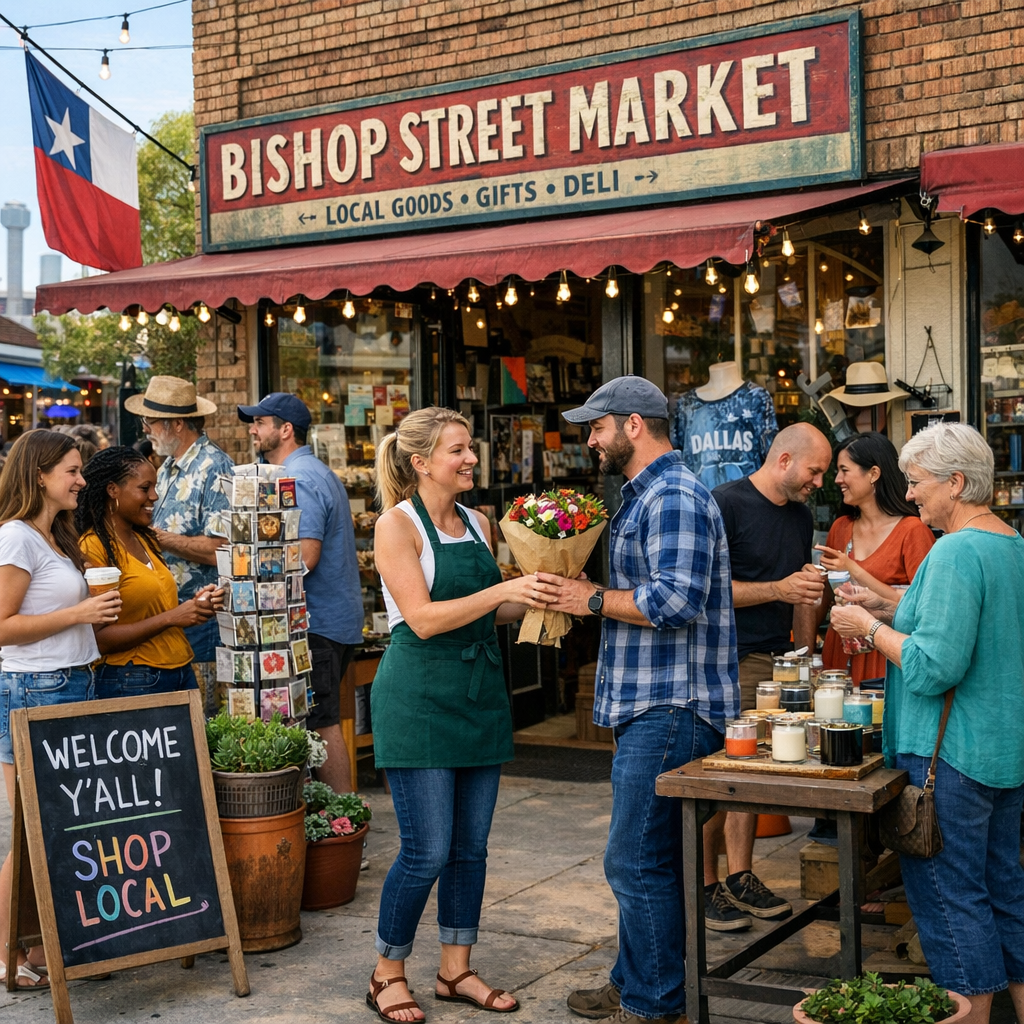
Dallas is pushing more resources toward small and local businesses. New policy efforts are focusing on helping underserved founders, guiding startups to resources, and reforming procurement practices to include more local vendors. These developments open doors for entrepreneurs who can navigate and tap into these support structures.
AI, Tech & Future Skills
Employers report a growing need not just for numbers of employees, but for different kinds of skills. Digital literacy, adaptability, and specialized technical expertise are increasingly prized. Artificial intelligence is reshaping what many firms expect from their workforce—both in how work gets done and in what work looks like.
What Local Businesses Should Do Now
- Invest in employee development. Offering training or apprenticeships can help fill the skilled-labor gaps while also improving retention.
- Review pricing strategies. Given rising input and wage costs, a careful approach to pricing—balancing competitiveness and margin—is essential.
- Look for policy and grant opportunities. Stay informed about city or regional programs that support small business, local vendor inclusion, and innovation funding.
- Adapt hiring flexibly. Use a mix of contract, part-time, and temp staffing to meet demand while managing costs and uncertainty.
- Embrace technology. Automation and digital tools can increase efficiency, especially in back-office operations. AI-infused tools can also help with recruitment, market analysis, and even basic customer interaction.
DFC’s economy is not standing still. Local firms that align with these evolving trends—and take proactive steps—stand the best chance of thriving in the months ahead.