

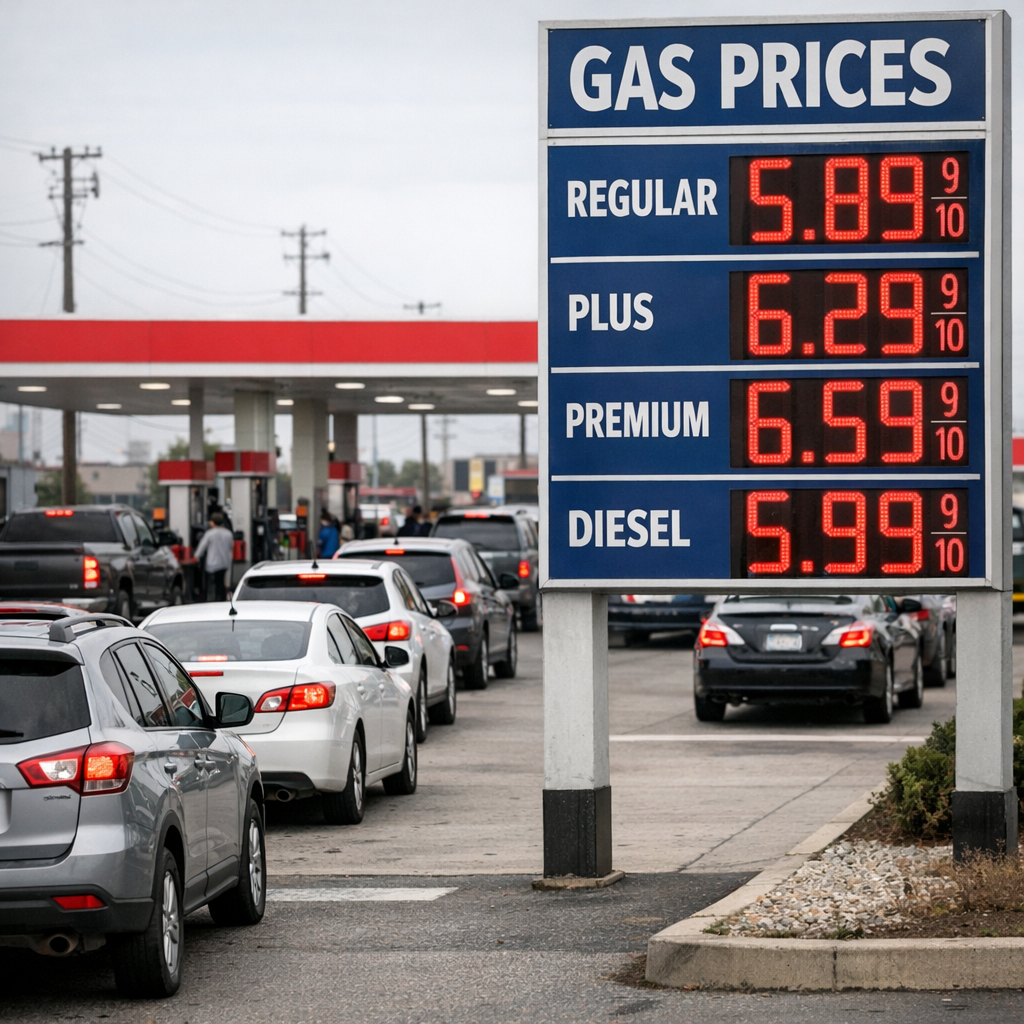
As inflation continues to rise, many Americans are grappling with the financial strain of increased living costs. Recent data indicates a 3.8% surge in consumer prices over the past year, with energy costs being a significant contributor. Gasoline prices have climbed by 5.4% in April alone, leading to a national average exceeding $4.50 per gallon. This escalation has effectively nullified recent wage gains, leaving many households struggling to maintain their standard of living.
The ongoing military conflict in Iran has further exacerbated economic pressures. The closure of the Strait of Hormuz has disrupted global oil supplies, driving up energy prices and contributing to the overall inflation rate. Additionally, the administration’s tariff policies have introduced uncertainties in various sectors, affecting both businesses and consumers.
In response to these challenges, the administration has proposed measures such as suspending the federal gas tax to provide temporary relief at the pump. However, these proposals face legislative hurdles and have yet to be implemented. Meanwhile, consumers are advised to adopt prudent financial strategies, including budgeting and exploring alternative transportation options, to navigate this period of economic uncertainty.
As the nation approaches the midterm elections, economic concerns are at the forefront of public discourse. Voters are closely monitoring policy decisions and their impacts on personal finances, emphasizing the need for effective leadership in addressing these pressing issues.